Villa Winter
Villa Winter
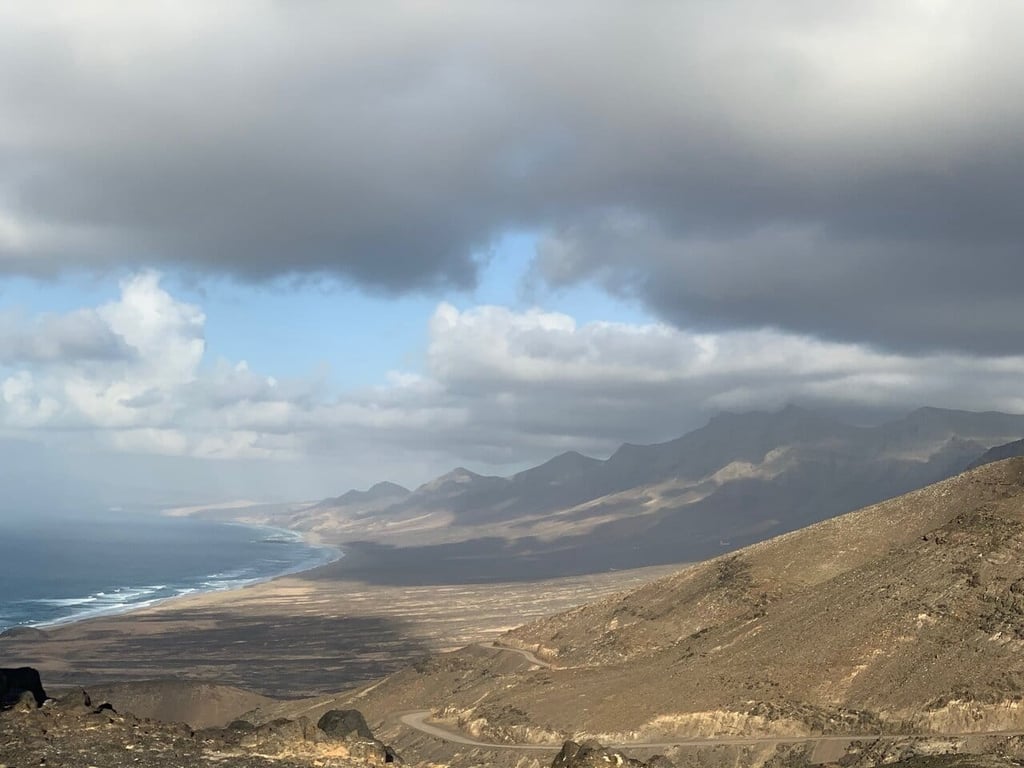
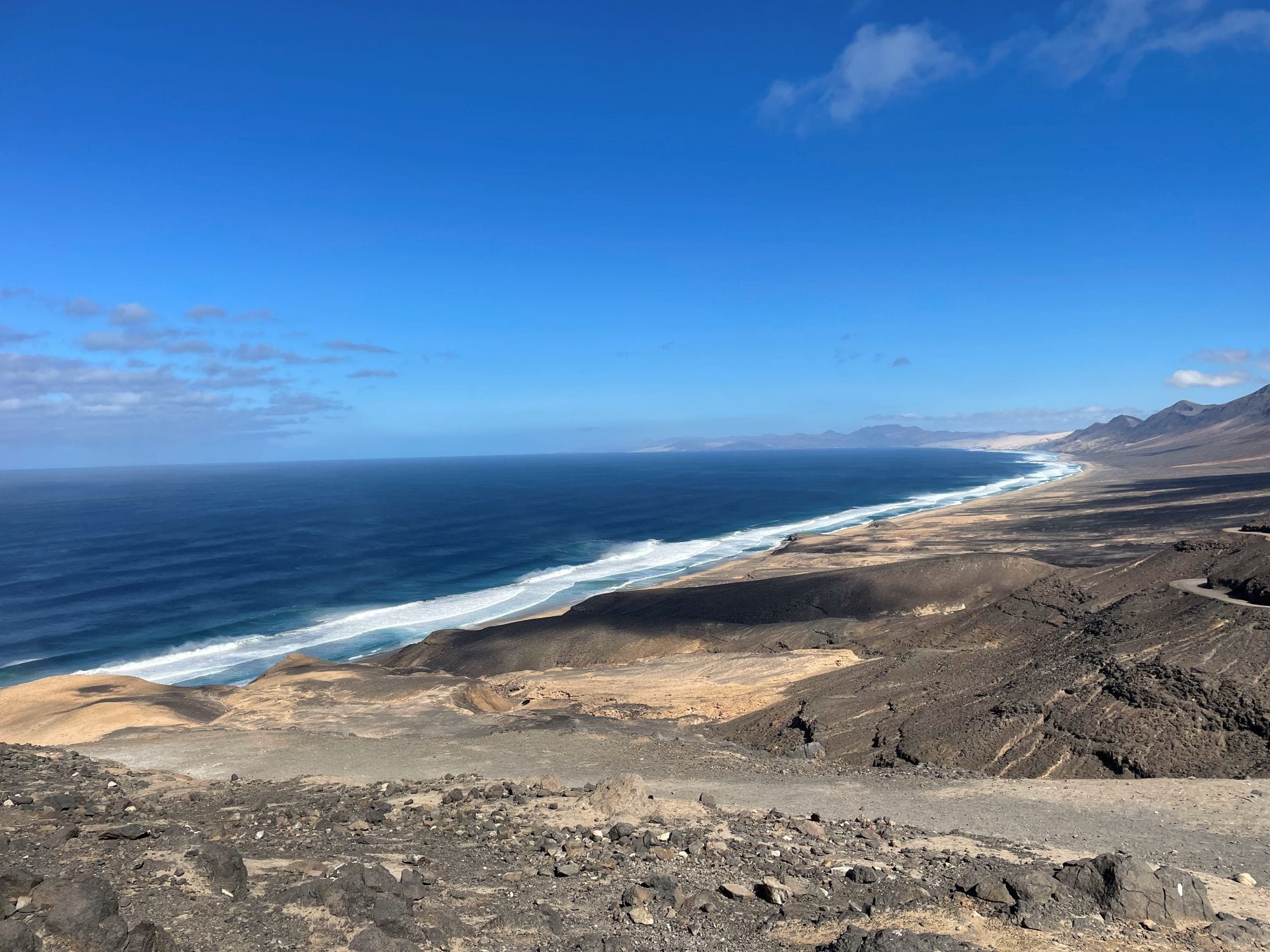
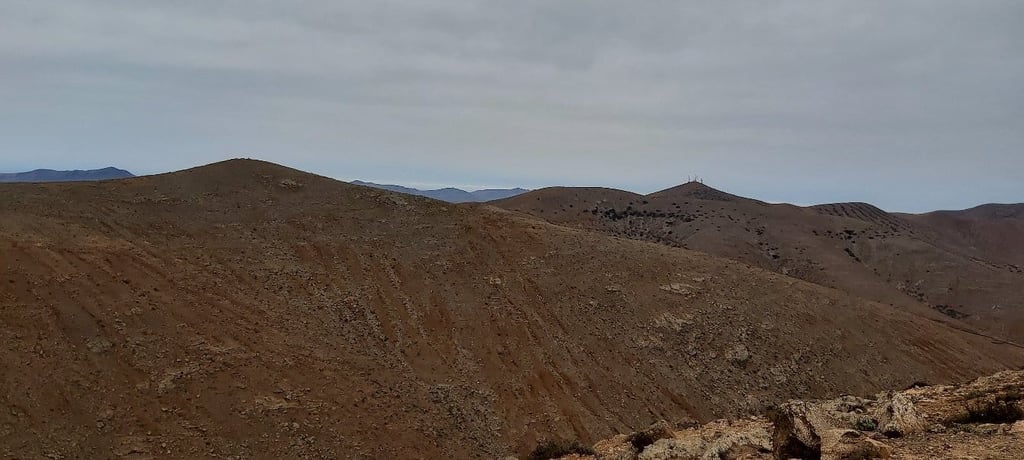
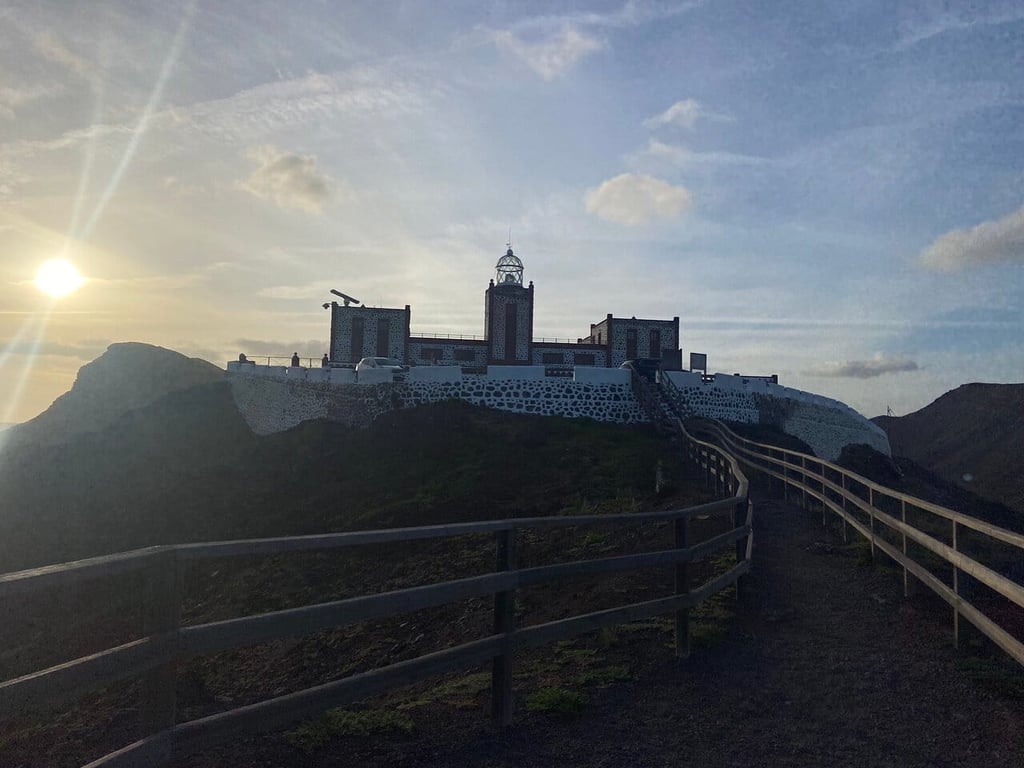
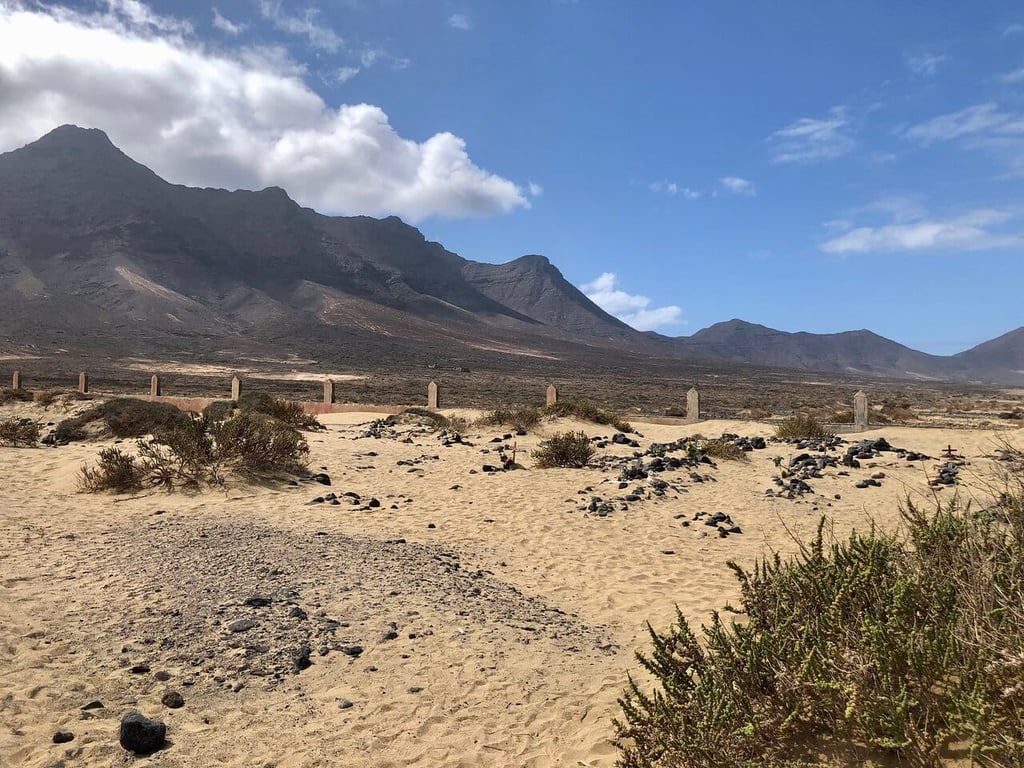
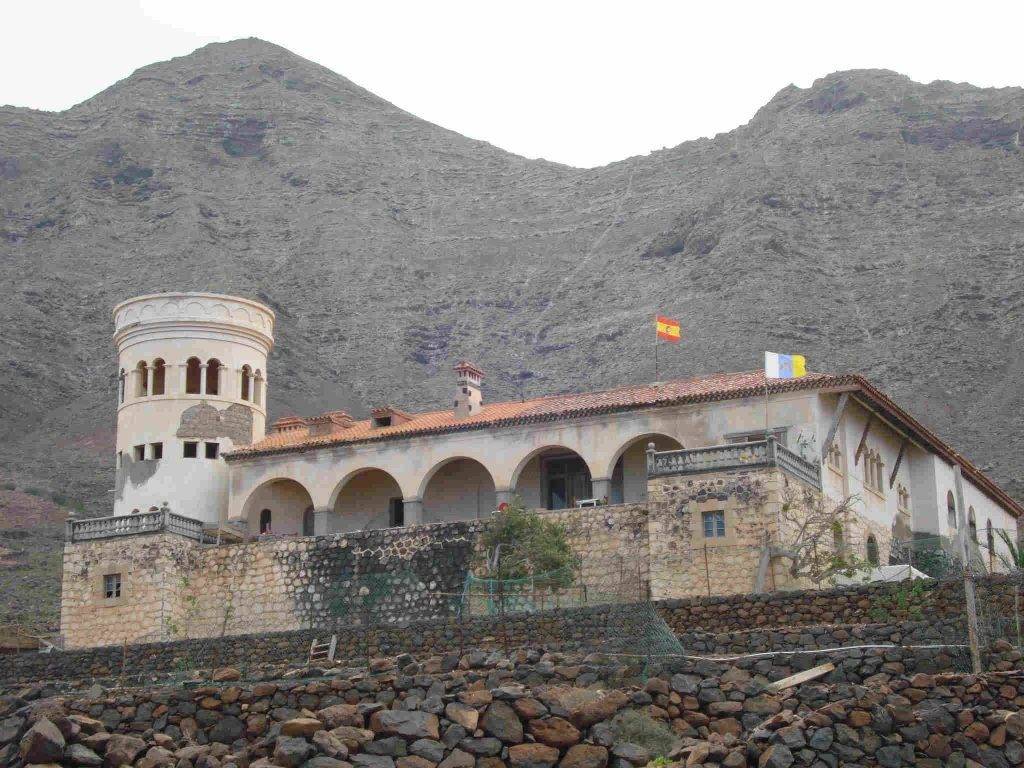
The so-called holiday home of a German general, as some travel guides suggest, stands out as both colossal and extraordinary. Built into the terrain with two floors partially embedded into the slope, it features a northeast-facing tower whose purpose remains a matter of speculation, despite numerous theories. The remarkable effort involved in its construction is immediately evident from the outside. Massive, rounded arches, exquisitely crafted wooden balustrades, and myriad intricate details within the house’s interior— which also includes a spacious courtyard— all speak to the creative vision and ambition behind this grand edifice. Don Gustavo, as the locals call Gustav Winter, was evidently a man of great wealth and resources. To bring his vision to life, he must have wielded substantial financial means alongside a trusted team of human capital. Reports suggest that local workers were only permitted onto the construction site under strict confidentiality, often having to leave the area at the end of each day. During this period, the entire peninsula of Jandía was declared a restricted zone. It is believed that, in addition to local labour, German helpers were brought in to assist with the construction efforts. The mysterious cemetery located by the beach fuels ongoing speculation about the presence of clandestine activities and personnel during this time. The villa’s notable tower is thought to have served as a strategic bearing point for submarines or aircraft landing at the nearby airfield at Punta Jandía. This raises the question: what was the true purpose behind constructing this seemingly remote villa— situated amidst barren wasteland, on infertile soil, and along one of the longest beaches of the Canary Islands? The volcanic nature of the area hints at the possibility of a subterranean cave system beneath the villa. Some speculate that Winter built his home on a pre-existing grotto, potentially connecting it with the sea below. Although this idea remains uncertain— especially as the slopes in and around Cofete are relatively shallow and unlikely to support easy access— the notion is compelling. Whispers of underground tunnels or caves are persistent, particularly given the island’s volcanic landscape. Recognisable lava caves elsewhere in the Canary Islands lend credence to these rumours. For instance, Tenerife’s Cuevas del Viento represent the world’s largest subterranean lava cave network, while Lanzarote boasts extensive volcanic caves such as the Jameos del Agua. On Fuerteventura itself, caves like those of Ajuy have sparked speculation about hidden tunnels linked to Winter’s activities. The tower is only accessible from its upper two floors, specifically the middle level, which contains a small, rectangular-windowed room. This floor also houses a large fuse box, leading to the assumption that the tower once held— or perhaps still contains— equipment that required a significant power supply. The impressive dimensions of this electrical box suggest that it was designed to support high-energy devices, further enhancing the mystery surrounding the villa’s true purpose. In conclusion, Villa Winter remains one of Fuerteventura’s most intriguing mysteries. Whether it served as a clandestine military installation, a secret submarine station, or simply a private villa with hidden underground facilities, its enigmatic design and secluded location continue to fuel speculation and wonder. As research and discoveries advance, the true story behind this remarkable edifice may someday come to light, revealing secrets hidden beneath the sands of the Canary Islands. View our interactive travel guide to Cofete
Details
Unveiling the Mysteries of Villa Winter: Fuerteventura’s Hidden Secret
The Tower and its Possible Functions
Volcanic Origins and the Potential Underground Connections
The Significance of Villa Winter’s Tower
Getting There
Location
Hours
Leave a Review for Villa Winter
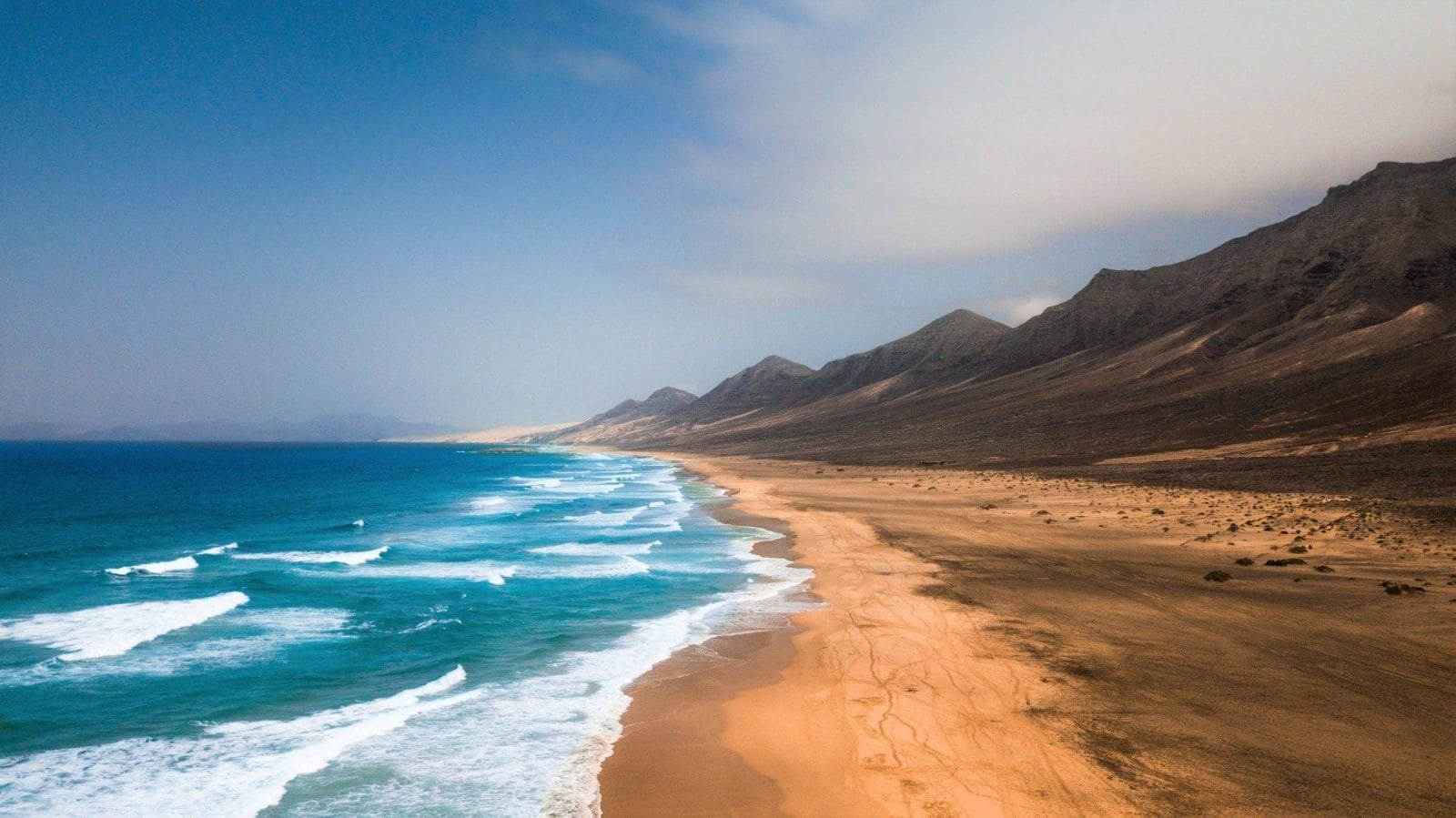

Cofete Beach


Caves at Ajuy